
Concrete, steel, and asphalt are the materials which receive most consideration in the world of construction and environmental management. However, one quiet revolution has been sweeping across a range of infrastructure projects throughout the world: the geocomposite membrane.
A geocomposite is not a single product, but a brilliant combination of two or more geosynthetic materials, such as geotextiles, geomembranes, geogrids, or geonets, designed to be one high-performance product. The result of this union is a multifunctional material that is capable of doing something which a single constituent element could never do on its own and that provides greater efficiency and longer life span over a range of harsh conditions.
What is so Smart about a Geocomposite Membrane?
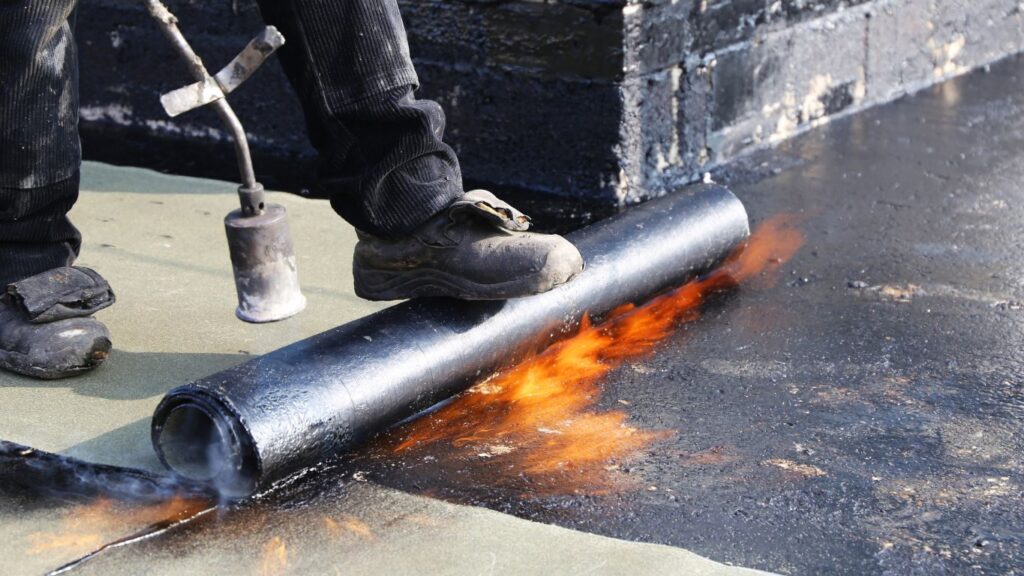
The main benefit of a geocomposite is that it offers to integrate various functions at the same time, offering custom solutions to complicated engineering problems.
Filtering and Separation:
A geotextile material can be used as filter whereby water flows through the system but not soil particles which would block the system as it is important in the drainage.
Drainage & Containment:
A geonet core offers large capacity channels through which water or gas may pass, and an attached geomembrane offers an impermeable layer that prevents water or gas leakage or contamination.
Reinforcement:
Geogrids provide tensile strength and stability to soil, increasing the load bearing capacity of foundations, slope, and retaining walls.
Best Uses: Where This Invisible Hero Will Be?
Geocomposite membranes are the highly versatile materials, which can be used in almost any industry project, both in the field of environmental protection and in the scope of large-scale infrastructure construction.
1. Waste Containment and Landfills.
Geocomposites are important in construction of landfills in lining as well as in capping. An example is a geomembrane-geogrid composite which is an impervious barrier with increased strength, which is essential when collecting and directing dangerous leachate that cannot be absorbed in the surrounding environment.
2. Paving and Road Work Construction.
The geocomposites also play a part in enhancing the performance and longevity of roads. They ensure that various layers of soil do not mix (separation) and they improve drainage and this preserves the structural integrity of the road base. They may also be used in asphalt applications in order to create an interlayer of stress-absorbing, waterproofing membrane, which inhibits reflective cracking.
3. Tunnels, Basements and Retaining Walls.
Geocomposite drainage layers are used to control hydrostatic pressure and stop water entry into underground structures by being placed vertically behind retaining walls or used during the construction of tunnels. They are efficient in interception of ground water and directing the water out of danger of the building.
The Next Generation of Intelligent Engineering.
The primary advantage of geocomposite membranes lies in their exceptional efficiency. By integrating multiple functional layers into a single product, they streamline installation, reduce reliance on bulky materials like sand or gravel, and improve the long-term sustainability and performance of construction projects.
As engineering challenges become increasingly complex and the demand for durable, eco-friendly solutions grows, geocomposite membranes continue to be an essential tool for modern engineers and builders.
NM GEO SYNTHETIC offers high-quality geocomposite membranes, providing reliable, sustainable, and performance-driven solutions for a wide range of construction and waterproofing applications. Contact NM GEO SYNTHETIC today for product specifications, technical guidance, or project support.