Pakistan’s rapid urbanization, expanding infrastructure, and growing environmental challenges have created an urgent need for durable, cost-effective, and sustainable construction solutions. Geosynthetic materials, especially HDPE (High-Density Polyethylene) and PVC (Polyvinyl Chloride) membranes, are playing a transformative role in modern civil and environmental engineering projects across the country.
From water conservation to waste containment, these advanced membranes are redefining how projects are designed, executed, and maintained.
Understanding HDPE & PVC Geomembranes
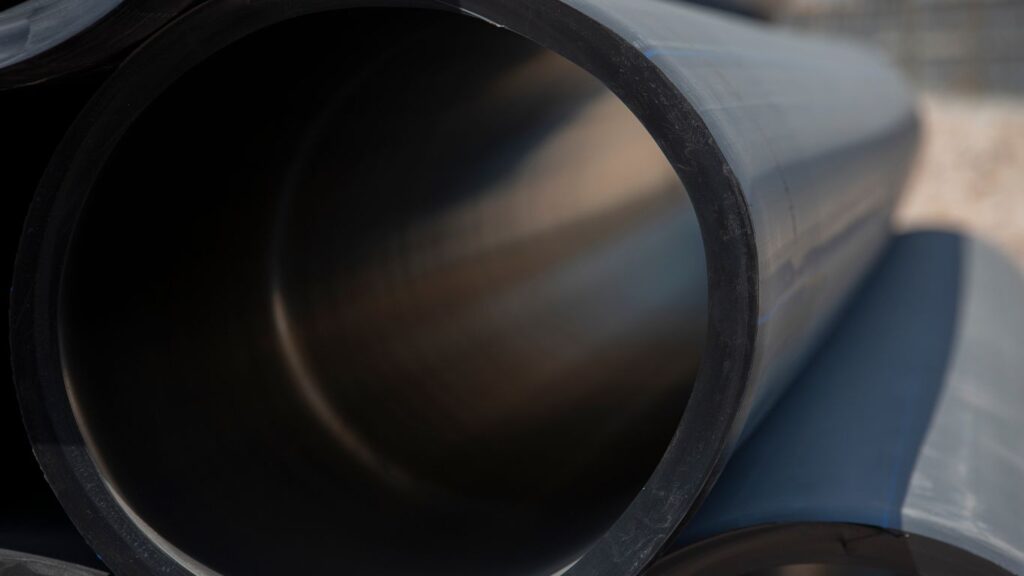
HDPE and PVC membranes are impermeable geosynthetic liners designed to control fluid migration in soil, rock, and structural systems.
- HDPE Membranes are known for high tensile strength, chemical resistance, UV stability, and long service life.
- PVC Membranes offer superior flexibility, ease of installation, and excellent performance in complex or irregular layouts.
Both materials are widely used in projects where leak prevention, environmental protection, and structural integrity are critical.
Why Pakistan Is Rapidly Adopting Geosynthetic Solutions
Pakistan faces several infrastructure and environmental constraints, including water scarcity, soil instability, waste management issues, and climate-related risks. Geosynthetics directly address these challenges by offering:
- Reduced construction and maintenance costs
- Faster project completion timelines
- Enhanced durability in harsh climatic conditions
- Improved environmental compliance
As a result, public and private sector projects are increasingly shifting from traditional materials to HDPE and PVC geomembrane systems.
Key Applications Transforming Civil & Environmental Projects
1. Water Reservoirs & Canal Lining
Water loss through seepage is a major concern in Pakistan’s irrigation and storage systems. HDPE and PVC membranes provide a reliable waterproof barrier, significantly reducing leakage in:
- Dams and reservoirs
- Irrigation canals
- Water storage ponds
This directly supports water conservation efforts and improves agricultural efficiency.
2. Landfills & Waste Management
Modern landfill design requires strict containment to prevent soil and groundwater contamination. HDPE geomembranes are widely used as primary and secondary liners in:
- Municipal solid waste landfills
- Hazardous waste facilities
- Industrial waste containment areas
Their chemical resistance ensures long-term environmental safety.
3. Wastewater & Effluent Treatment Plants
Industrial growth has increased the demand for effective wastewater management. Geomembranes are essential in lining:
- Effluent treatment ponds
- Sewage lagoons
- Sludge drying beds
They help meet environmental regulations while ensuring operational efficiency.
4. Mining & Industrial Applications
In mining and industrial zones, geomembranes are used for:
- Heap leach pads
- Chemical containment areas
- Process water ponds
HDPE membranes, in particular, perform exceptionally well under aggressive chemical exposure.
5. Infrastructure & Foundation Protection
PVC membranes are commonly applied in:
- Building basements
- Tunnels and underpasses
- Roof waterproofing systems
Their flexibility makes them ideal for structures requiring movement accommodation and detailed waterproofing.
Benefits Over Traditional Construction Methods
Compared to conventional materials like concrete or clay liners, geosynthetic membranes offer:
- Superior impermeability
- Longer service life (up to 30–50 years)
- Lower installation and repair costs
- Minimal environmental impact
- Adaptability to diverse soil and climate conditions
These advantages make HDPE and PVC membranes a smart investment for both large-scale infrastructure and localized environmental projects.
Supporting Sustainable Development Goals
The use of geosynthetics aligns closely with Pakistan’s sustainability and environmental protection goals. By reducing water loss, preventing pollution, and extending infrastructure lifespan, HDPE and PVC membranes contribute to:
- Efficient resource management
- Climate resilience
- Long-term economic savings
Companies like NM Geo Synthetic are actively supporting this transition by supplying high-quality geosynthetic solutions tailored to Pakistan’s project requirements and site conditions.
The Future of Geosynthetics in Pakistan
As regulatory standards tighten and awareness grows, the demand for advanced geosynthetic solutions is expected to rise sharply. With ongoing investments in infrastructure, water management, and environmental protection, HDPE and PVC membranes will remain at the core of Pakistan’s modern engineering practices.For reliable, project-specific geosynthetic solutions, NM Geo Synthetic continues to be a trusted partner in advancing modern construction and environmental engineering across Pakistan.